
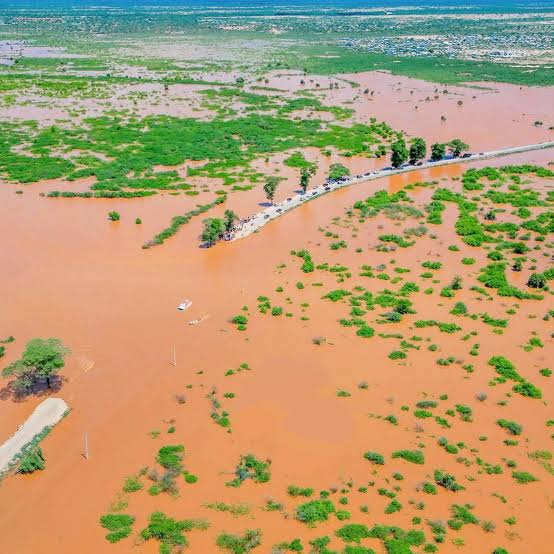
County and national weather agencies are once again sounding the alarm about above-normal October–December rains linked to a strengthening El Niño. Kitui is forecast to receive 300–600 mm of rainfall over roughly 90 days, with the wet period possibly stretching into January 2027.
Farmers are being told to plant carefully and residents are advised to clear drains and avoid low-lying areas. On the ground in Tseikuru, Mwingi North and surrounding wards, the message feels familiar and largely empty.
Local traders and herders point out that the same seasonal rivers that flooded homes and livestock routes in previous wet years still lack reinforced banks or functional culverts. Seasonal roads that turn into mud tracks every heavy rain remain unupgraded. Early-warning systems for remote villages are still mostly word-of-mouth or late radio announcements.
Disaster management officers urge caution, but residents ask where the actual engineering work is. Drainage channels around Tseikuru market and key settlements have not been systematically cleared or expanded.
Health facilities flagged as potentially inaccessible during floods have received little visible reinforcement of access roads or emergency stocks beyond the usual circulars. Critics argue the pattern is predictable: forecasts are issued, meetings are held, statements are released, and then communities are left to absorb the impact when the water arrives.
After earlier drought stress and intermittent resource clashes along the Kitui–Tana River corridor, the coming rains could bring both relief for pasture and renewed pressure on water points and grazing land if herders and farmers are forced into the same limited spaces again. Farmers are being advised to choose drought- or flood-tolerant varieties and time planting carefully.
Many say they already know this. What they need is reliable seed access, storage facilities that will not flood, and roads that allow them to get produce to market when the rains finally come. Extension officers are available in theory; in practice, reach into the more remote parts of Tseikuru remains limited.
National contingency plans from the Health Ministry call for counties to activate emergency teams and stock medicines. Whether those instructions translate into trucks, medical kits and functioning communication networks in northern Kitui will only become clear once the rain starts falling. Until then, the gap between official advisories and visible preparation remains wide.
Residents are left watching the sky and hoping this season’s “enhanced” rains do not once again expose how little has changed on the ground.