
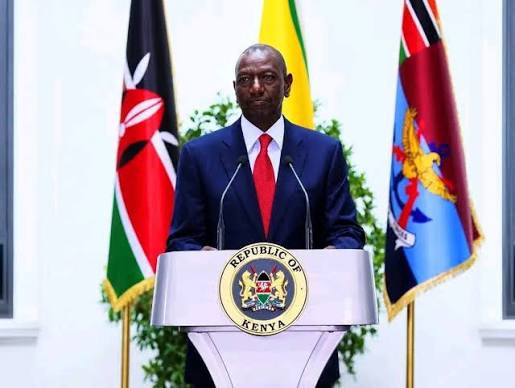
President William Ruto’s directive ordering a crackdown on foreigners operating small businesses responds to genuine and long-standing frustrations among Kenyan traders. Competition in the informal and semi-formal retail sector is intense, margins are thin, and many local operators feel squeezed by competitors who appear to enjoy lower costs or less rigorous oversight.
In markets from Nairobi to border towns and county centres, the complaint is familiar: outsiders arrive with capital, undercut prices, and leave local traders struggling. Acknowledging that frustration is necessary. Ignoring it would be politically tone-deaf.
Yet policy responses that lean heavily on nationality rather than on clear, uniformly applied rules risk sliding into selective enforcement, opportunistic corruption and damage to the regional relationships Kenya needs for trade and stability. East African Community protocols exist for a reason. Kenyans themselves trade, work and invest across borders.
Reciprocal restrictions imposed by neighbours would quickly hurt Kenyan interests in those markets. A more durable approach distinguishes between genuine unfair competition—systematic tax evasion, sale of counterfeit goods, or illegal labour practices—and ordinary commercial rivalry.
Licensing requirements, tax compliance, public-health standards and trading-hours rules should apply equally to every operator regardless of passport. When enforcement focuses on nationality instead of behaviour, it invites abuse.
Past operations in various counties have sometimes become opportunities for police and local officials to extract payments rather than to uphold transparent regulations. Transparent criteria, independent oversight and accessible appeal mechanisms are therefore non-negotiable if the current directive is to retain public legitimacy. Local traders deserve a fair chance to compete.
That chance is best secured by improving the overall business environment—cheaper and more accessible credit, reliable electricity, streamlined county licensing, and better market infrastructure—rather than by periodic crackdowns that generate headlines while leaving structural problems untouched.
Kenya’s long-term prosperity depends on remaining open, competitive and rules-based. Scapegoating neighbours may offer temporary political satisfaction, but it will not expand opportunity for the young Kenyans who need sustainable livelihoods.