
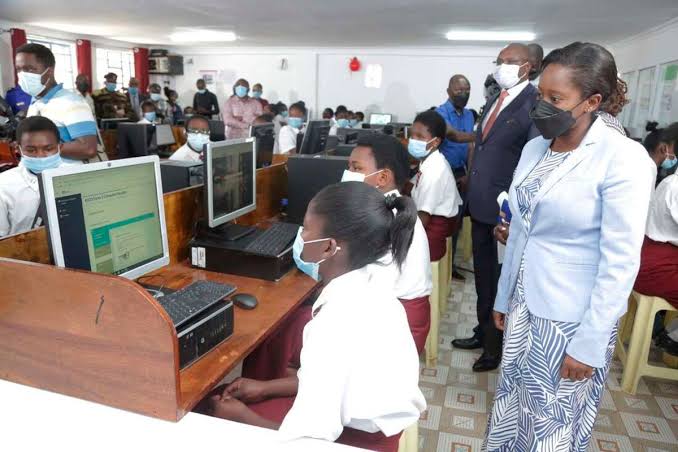
The Ministry of ICT, Innovation and Youth Affairs is preparing to launch the Schoolnet Programme, an ambitious national effort to provide reliable internet connectivity to more than 43,000 public and private schools. Phase One, implemented in partnership with UNICEF, has already identified over 1,000 schools for initial connection.
Officials describe the project as the logical next step after earlier Digital Literacy Programme phases that delivered devices and basic teacher training but left many schools without the bandwidth needed for meaningful online learning.
The plan envisages a minimum of 10 Mbps per school, with priority given to institutions near existing fibre routes or those that can be reached through last-mile solutions by service providers. Remote schools far from the national fibre backbone but close to commercial networks are also targeted.
The ministry argues that connectivity will unlock access to digital learning materials, teacher professional development platforms, remote skills training and livelihood tools for learners aged 10 to 24.
For rural schools in places such as Tseikuru and other parts of Kitui County, reliable internet could transform teaching methods, allow students to access resources previously limited to urban centres, and give teachers continuous professional support. Yet the obstacles remain substantial. Power reliability continues to undermine digital initiatives in many areas.
Device maintenance and replacement cycles have proven expensive in past programmes. Data costs, even at institutional rates, can strain school budgets. Teacher readiness and the availability of relevant local-language or curriculum-aligned content will determine whether the bandwidth is actually used for learning or remains under-utilised.
Earlier device-distribution efforts encountered sustainability problems when technical support lagged behind hardware delivery. Schoolnet will succeed only if the same mistake is avoided. Clear maintenance contracts, realistic budgets for data and power backup, and continuous teacher training must accompany every connection.
Equity between well-resourced urban schools and under-served rural ones must also be monitored closely. If the programme is executed with attention to these details, it can narrow the digital divide and prepare a generation of learners for a technology-driven economy.
If it is reduced to launch ceremonies and incomplete installations, it will become another expensive missed opportunity. The coming months of actual connections, usage statistics and independent evaluation will reveal which path Kenya has chosen.