
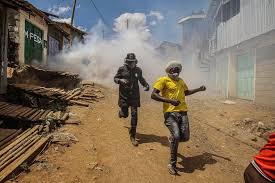
Fresh investigative reporting into the violent disruption of a Linda Mwananchi convoy in Homa Bay has alleged the involvement of political leaders, organised youths and elements of the security forces in planning and executing the attack. The incident left several people dead, many others injured and vehicles destroyed.
Such claims, if substantiated by credible evidence, strike directly at the heart of democratic competition and at the expected neutrality of state security organs. Political violence has a long and damaging history in Kenya.
Each cycle of intimidation, disruption or organised attacks erodes public confidence in the electoral process and raises the personal cost of peaceful political mobilisation. Allegations that police officers may have colluded with attackers are particularly serious because they suggest that parts of the state apparatus can be co-opted for partisan ends.
When citizens begin to believe that security forces take sides, the foundation of orderly politics weakens. Authorities have a clear duty to conduct a transparent investigation that follows evidence wherever it leads, including upward if the facts justify it. Selective prosecutions, delayed inquiries or the quiet burial of inconvenient findings will only deepen public cynicism.
Opposition leaders and civil-society groups are right to demand full accountability. Government spokespeople are equally entitled to insist on due process and to reject collective blame directed at entire communities or institutions. Both principles can and must coexist. The 2027 election season is still in its early stages.
Tolerating or minimising organised disruption now sets a dangerous precedent for the months ahead. Kenyans across the political spectrum share a fundamental interest in ensuring that political competition remains within the bounds of the law and that security forces protect the rights and safety of all citizens equally, regardless of the political camp they support.
The Homa Bay case is therefore more than a local tragedy; it is an early test of whether that principle still holds in practice.