
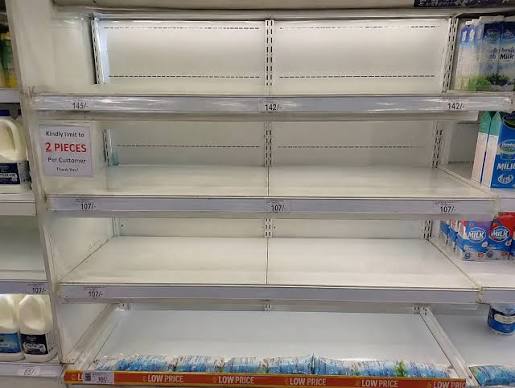
When supermarket shelves run dry of fresh milk and prices climb sharply, the immediate public explanation is usually weather, drought or livestock disease. Those factors are real and painful for farmers. Dry conditions reduce pasture, high feed costs force destocking, and health challenges can cut yields overnight.
Yet they do not fully explain why a country with millions of dairy cattle and a large smallholder sector repeatedly faces supply crises that leave consumers rationing a basic staple. Chronic underinvestment in pasture improvement, water harvesting for livestock, local feed production and cold-chain logistics has left the dairy industry brittle.
Farmers frequently complain of delayed payments and opaque pricing by processors. Input costs remain stubbornly high. Extension services are stretched thin and often fail to reach the smallest producers with practical, climate-smart advice. The result is a system that functions adequately in good seasons and frays quickly when conditions deteriorate.
Turning to Uganda for emergency imports is a rational short-term response that prevents empty shelves from lasting longer. Treating cross-border supply as a substitute for domestic resilience is not.
Policymakers should prioritise practical, measurable measures: support for climate-adapted forage systems and small-scale irrigation, enforceable payment timelines that protect farmers’ cash flow, quality-based pricing that rewards better milk rather than volume alone, and targeted credit products for smallholder modernisation.
Consumer protection against sudden and unexplained price spikes also deserves attention, particularly for low-income households for whom milk is a critical source of nutrition for children. Milk is not a luxury item. It is a staple and a major source of rural income.
Repeated shortages signal that the policy framework has not kept pace with the sector’s economic and nutritional importance. Fixing the problem requires sustained focus across seasons rather than emergency announcements each time shelves empty.
Until that focus materialises, Kenyan families will continue to experience the same cycle of scarcity, imports and temporary relief, while the underlying vulnerabilities remain unaddressed.