Farmers and traders in Tseikuru, Kitui County, are calling on county and national authorities to prioritise the rehabilitation of feeder roads linking farms to markets, warning that the onset of the long rains could deepen losses already felt across the ward.
Over the past fortnight, residents interviewed along the Tseikuru–Usueni corridor and in neighbouring villages said heavy dust, deep gullies, and broken culverts have made it hard for matatus, pick-ups, and boda bodas to move farm produce to trading centres. Several small-scale growers reported that mangoes, green grams, millet, and vegetables often spoil on the farm or are sold at throwaway prices because buyers cannot reach collection points on time.
“When the road is bad, the middleman decides the price,” said one farmer in a village near Tseikuru town centre. “We plant, we harvest, but we cannot negotiate when the only way out is a path that floods every rainy season.”
Local traders echoed those concerns. Market vendors said delays in deliveries push up the cost of fresh produce for households, while shopkeepers who depend on wholesale supplies from Kitui town and Mwingi report higher transport charges that are passed on to customers.
What residents want
Community representatives who spoke at an informal baraza over the weekend outlined three priorities:
1. Grading and murraming of key feeder roads before peak rain months.
2. Repair of culverts and drainage to reduce flooding that cuts villages off for days.
3. A clear maintenance schedule so work is not one-off campaign grading that washes away within a season.
They also asked for better coordination between the county government, the Kenya Rural Roads Authority (KeRRA), and local leaders so funds earmarked for rural access roads are tracked publicly and completed on time.
Official response and next steps
A county roads official contacted for comment said feeder road maintenance remains a “shared priority” and that assessments of damaged sections in the wider Kitui North area are ongoing. The official said communities should continue channeling complaints through ward administrators and the county public works department so that the worst sections can be listed for emergency grading.
Residents, however, want timelines, not general assurances. Parents said school-going children sometimes miss classes when boda operators refuse certain routes after overnight rain. Health workers at nearby facilities also noted that patients referred for specialised care outside the area face longer, costlier journeys when rural roads are impassable.
Why this matters beyond Tseikuru
Reliable rural roads are not only a transport issue. In dryland counties such as Kitui, market access shapes food security, household income, and whether young people stay in farming. When produce cannot move, farmers plant less the next season, traders stock less, and consumers pay more for fewer choices.
Civil society groups working on livelihoods in the region have previously linked road access to women’s economic participation: many women farmers sell perishable goods and rely on short, frequent trips to market. When roads fail, they lose income first.
Tseikuru Times will continue following county budget allocations for roads, any emergency grading announcements, and community feedback as the long rains set in. Readers with verified reports from affected villages—photos of impassable sections, dates of road collapse, or official notices—are invited to share them through our contact channels for follow-up reporting.
Kenya
Residents of Tseikuru push for better road access as farmers struggle to reach markets ahead of long rains
By Tseikuru Times · 2026-07-15T22:03:21.616Z
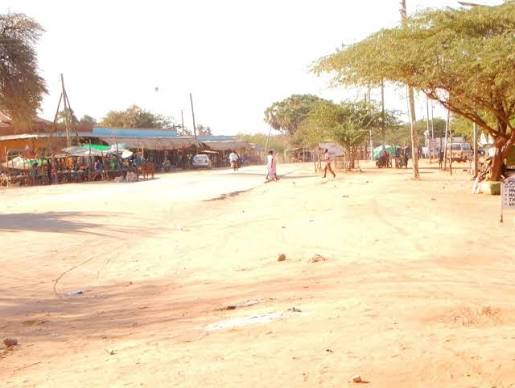
Community leaders in Tseikuru, Kitui County, say poor feeder roads are cutting farmers off from buyers and raising food prices in local markets as the long rains approach.