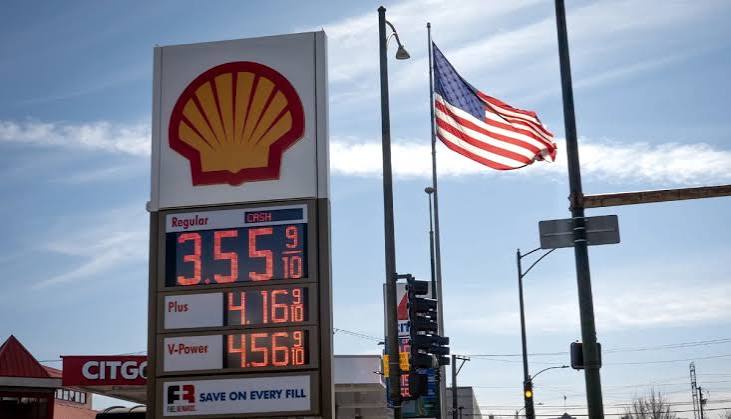
Kenyan authorities and economic analysts are closely monitoring the escalating situation in the Middle East, where fresh exchanges of strikes between US and Iranian forces have heightened risks to global energy supplies. The Strait of Hormuz, a vital shipping route for oil, remains a flashpoint, with both sides asserting control amid ongoing hostilities. Local experts warn that any prolonged disruption could translate into higher import costs for petroleum products that Kenya relies on heavily.
Business communities across the country, from transport operators to small-scale traders, have begun preparing contingency plans in anticipation of price volatility at the pump. The government has assured the public that strategic reserves are being assessed to cushion immediate impacts, while calls for diversification of energy sources gain renewed urgency. Many Kenyans remember previous global oil shocks and how they affected household budgets and inflation rates. Analysts emphasize that Kenya’s economy, with its dependence on imported fuels for transport and industry, stands to feel the effects quickly if tensions persist.
Discussions in policy circles now include accelerating investments in renewable alternatives and regional energy cooperation. Citizens are advised to stay informed as developments unfold, with hopes that diplomatic channels will help de-escalate the situation before significant domestic strain occurs.
Follow Tseikuru Times in all media platforms @TseikuruTimes for daily updates and breaking news.
Rising geopolitical tensions between the United States and Iran over the Strait of Hormuz have raised concerns in Kenya about potential increases in fuel costs and broader economic ripple effects.
### Background
This kenya report covers: Kenya Prepares for Possible Fuel Price Surge Due to US-Iran Tensions. For communities across Kenya — including towns and trading centres in counties such as Kitui — clear reporting helps residents understand how national and local decisions affect markets, transport, schools, and household costs.
### Key points
- Kenyan authorities and economic analysts are closely monitoring the escalating situation in the Middle East, where fresh exchanges of strikes between US and Iranian forces have heightened risks to global energy supplies.
- The Strait of Hormuz, a vital shipping route for oil, remains a flashpoint, with both sides asserting control amid ongoing hostilities.
- Local experts warn that any prolonged disruption could translate into higher import costs for petroleum products that Kenya relies on heavily.
- Business communities across the country, from transport operators to small-scale traders, have begun preparing contingency plans in anticipation of price volatility at the pump.
- The government has assured the public that strategic reserves are being assessed to cushion immediate impacts, while calls for diversification of energy sources gain renewed urgency.
### Why it matters
Readers following “Kenya Prepares for Possible Fuel Price Surge Due to US-Iran Tensions” should note both the immediate facts above and the wider kenya implications for daily life, institutions, and public debate. High-quality local journalism requires full context — not headlines alone — so households, traders, students, and leaders can make informed decisions.
### Looking ahead
Tseikuru Times will continue tracking verified updates related to this story. Where new official statements, results, or community responses emerge, we will report them with clear attribution and update the public record for our audience in Kenya and beyond.