
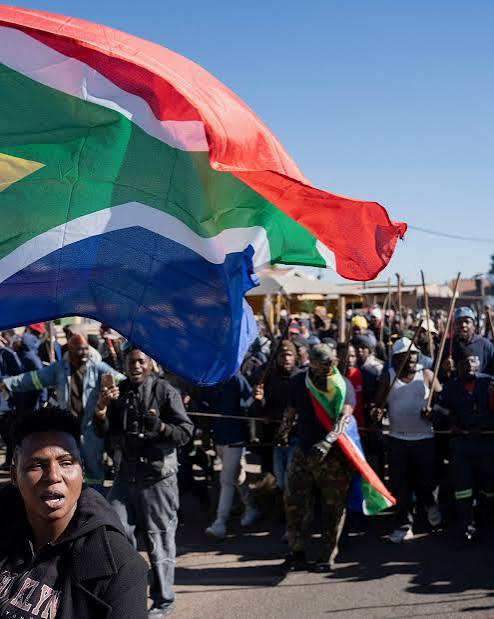
South Africa is grappling with a surge in anti-migrant mobilization in mid-2026. Groups such as Operation Dudula and March and March have organized protests demanding stricter immigration enforcement, blaming undocumented foreigners—primarily from Malawi, Zimbabwe, Nigeria, and other African nations—for unemployment, crime, and strain on public services. An unofficial June 30 deadline prompted thousands to leave voluntarily or via organized repatriation flights and buses coordinated by their home governments. South African authorities report over 13,000 repatriations or deportations in recent weeks, with security forces deployed to prevent unrest.
Incidents of xenophobic violence, including attacks on foreign-owned businesses and killings (such as Mozambican nationals), have heightened fears among migrant communities. Many foreigners, even those with legal status, report harassment, displacement, and threats. Temporary shelters have housed displaced individuals in places like Durban, while some sought refuge at consulates. President Cyril Ramaphosa has condemned vigilantism, emphasizing that only the state can enforce immigration laws, yet critics argue enforcement has been inconsistent.
The situation reflects deeper challenges, including high unemployment exceeding 40% and competition for resources in informal settlements. While many migrants contribute to the economy through businesses and labor, public frustration has been channeled toward them. The government is pursuing reforms like enhanced border controls and penalties for employing undocumented workers, but tensions persist post-deadline, with risks of further protests or sporadic violence. Neighboring countries continue monitoring and assisting their citizens, underscoring the regional impact of South Africa’s immigration debates.
As an unofficial June 30, 2026 deadline set by anti-migrant groups passed, South Africa saw a significant exodus of undocumented foreigners, driven by fears of violence and ongoing protests. While the government rejects vigilante actions, repatriations continue and underlying socioeconomic grievances fuel persistent anti-immigrant sentiment.
### Background
This world report covers: World News-South Africa: Tensions High as Thousands of Foreign Nationals Leave South Africa Amid Xenophobic Threats. International events can influence diplomacy, security, energy prices, and diaspora communities. The background below places the headline in a clearer global context for Kenyan readers.
### Key points
- South Africa is grappling with a surge in anti-migrant mobilization in mid-2026.
- Groups such as Operation Dudula and March and March have organized protests demanding stricter immigration enforcement, blaming undocumented foreigners—primarily from Malawi, Zimbabwe, Nigeria, and other African nations—for unemployment, crime, and strain on public services.
- An unofficial June 30 deadline prompted thousands to leave voluntarily or via organized repatriation flights and buses coordinated by their home governments.
- South African authorities report over 13,000 repatriations or deportations in recent weeks, with security forces deployed to prevent unrest.
- Incidents of xenophobic violence, including attacks on foreign-owned businesses and killings (such as Mozambican nationals), have heightened fears among migrant communities.
### Why it matters
Readers following “World News-South Africa: Tensions High as Thousands of Foreign Nationals Leave South Africa Amid Xenophobic Threats” should note both the immediate facts above and the wider world implications for daily life, institutions, and public debate. High-quality local journalism requires full context — not headlines alone — so households, traders, students, and leaders can make informed decisions.
### Looking ahead
Tseikuru Times will continue tracking verified updates related to this story. Where new official statements, results, or community responses emerge, we will report them with clear attribution and update the public record for our audience in Kenya and beyond.